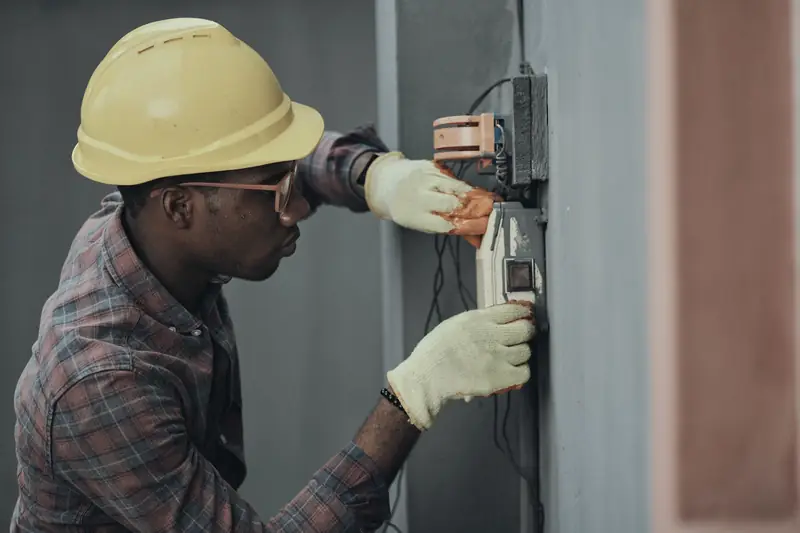
Short Answer: Electrical contractors in Washington are licensed by L&I under RCW 19.28, separately from general contractor registration. Check the business's electrical contractor license and each worker's electrician certificate on L&I Verify.
Quick Facts
| Governing law | RCW 19.28 |
|---|---|
| Regulator | L&I Electrical Program |
| What to check | Contractor license and individual certificate |
| Permits | Most work needs a permit and inspection |
| Electricians in our data | 4,784 |
Key Takeaways
- Electrical work in Washington is regulated under RCW 19.28 by L&I's electrical program, separately from general registration.
- Check two things: the business's electrical contractor license and each worker's electrician certificate.
- Most electrical work needs a permit and inspection from L&I or a city with its own program.
- Electrician profiles usually show a bond but no construction-insurance record; that is expected.
Electrical work is one of the few residential trades in Washington with a full licensing and certification system on top of contractor registration. That is good news for homeowners: there is more to check, and the checks are meaningful. This guide explains the system and gives you a simple process for verifying any electrician.
How Electrical Licensing Works in Washington
RCW chapter 19.28 governs electricians and electrical installations, and L&I’s electrical program administers it. Two separate credentials matter:
- The electrical contractor license held by the business. In the L&I contractor file these records carry the license type “Electrical Contractor”.
- The individual certificate held by each person doing electrical work, such as a journey level or specialty electrician certificate, or a trainee certificate for someone working under supervision.
A business can hold a valid contractor license while sending an uncertified worker to your home, so check both.
Step 1: Check the Business
Search the business name or license number in our directory of Licensed Electricians in Washington or on L&I Verify. Confirm:
- the status is ACTIVE,
- the expiry date is after your project,
- the license type is electrical contractor.
Washington L&I lists 4,784 active electrical contractors with a Washington address in the current file.
Step 2: Check the Individual Electrician
Ask the person who will do the work for their certificate number, and look it up on L&I Verify. Electricians are expected to carry their certificate on the job. If the worker is a trainee, ask who is supervising them and check that person’s certificate too.
Step 3: Confirm the Permit
Most electrical work, from a new circuit to a panel upgrade, needs an electrical permit and an inspection. In most of the state L&I issues permits and inspects; some cities run their own programs. Ask before work starts:
- Who will pull the permit?
- When will the inspection happen?
- Will I get a copy of the final inspection?
Watch out: “We don’t need a permit for this” is one of the most common reasons homeowners end up with failed inspections at sale time. If in doubt, ask the permitting authority.
Why Insurance Looks Different on Electrical Profiles
The construction-contractor insurance dataset covers registrations under RCW 18.27. Electrical contractors meet their requirements through the electrical program, so most electrician profiles in our directory show a bond but no insurance record. That is expected and is not a red flag by itself. Ask the contractor for a certificate of insurance directly.
Typical Jobs and What to Check
Panel Upgrades and Service Changes
These involve the utility connection and significant fire risk. Insist on a permit, ask about the utility coordination, and confirm a certified electrician will do the work.
EV Chargers and New Circuits
A common job with real load implications. Ask whether a load calculation was done and whether the panel can handle it.
Remodel Wiring
On a remodel, the general contractor will usually subcontract the electrical work. Ask for the electrical contractor’s name and license number and check it separately.
Low-Voltage and Specialty Work
Some specialty certificates cover limited categories such as certain low-voltage systems. Make sure the worker’s certificate matches the work.
Reporting a Problem
If you see electrical work done without a visible electrical contractor or permit, L&I accepts reports through its Report a Contractor tool or the fraud line, and you can remain anonymous. For problems with a job you paid for, see How to File a Complaint Against a Contractor in Washington.
Questions to Ask an Electrician
- What is your electrical contractor license number?
- Who will do the work, and what are their certificate numbers?
- Who pulls the permit, and when is the inspection?
- Will you provide a written estimate listing materials and labor separately?
- What warranty do you give on workmanship?
- Do you carry liability insurance, and can I see a certificate?
Comparing Quotes
Make sure each quote covers the same scope: permit fees, materials, patching drywall, disposal and any utility work. A noticeably cheaper quote that leaves out the permit is not cheaper once you factor in the risk.
Before the Electrician Leaves
At the end of an electrical job, ask the electrician to label any new circuits in the panel, explain what was changed and confirm when the inspection is booked or passed. Keep the permit number and the inspection result with your house records. If you added major loads, such as an EV charger or heat pump, ask whether the service capacity was assessed. These records are useful for insurers, future electricians and buyers, and they show the work was permitted and inspected.
Bottom Line
Check the business license, the worker’s certificate and the permit. Those three checks cover most of the risk in residential electrical work, and every one is free.
Homeowner Work on Your Own Property
Washington law allows some property owners to do electrical work on their own property in limited circumstances, and that work still generally requires a permit and inspection. If a contractor suggests you “pull the permit as the homeowner” so they can do the work, be cautious: that shifts responsibility to you and may be used to avoid licensing rules. A licensed electrical contractor should pull its own permit for work it performs.
Keeping Records After the Job
When the job is finished, keep a simple file with:
- the electrical contractor’s name and license number,
- the names and certificate numbers of the workers,
- the permit number and the final inspection result,
- the invoice, warranty terms and any product manuals.
These records help with insurance claims, future repairs and a future sale, when buyers’ inspectors commonly ask about recent electrical work. They also make it easy to contact the right business if a warranty problem appears months later.
How Long Does a Check Take?
Checking the business license and one worker’s certificate on L&I Verify typically takes less than five minutes. Asking about the permit is one question. Compared with the cost and safety risk of faulty wiring, it is the best five minutes you will spend on the project.
Where to Go Next
Before you hire, run the business through the Washington Contractor License Lookup.
Steps to Take
- Get the business name and electrical contractor license number.
- Look up the business on L&I Verify.
- Ask which certified electrician will do the work and verify the certificate.
- Confirm who will pull the electrical permit.
- Keep the final inspection record with your house papers.
Frequently Asked Questions
Do Electricians Need a License in Washington?
Yes. Electrical contractors must be licensed and individual electricians must hold certificates under RCW chapter 19.28, administered by L&I.
Can a General Contractor Do the Electrical Work on My Remodel?
Electrical work generally must be done by a licensed electrical contractor using certified electricians or properly supervised trainees, unless an exemption such as certain homeowner work on their own property applies. Ask who will do the work and pull the permit.
Who Issues Electrical Permits in Washington?
L&I issues electrical permits and performs inspections in most of the state; some cities run their own electrical inspection programs. Your contractor should know which applies at your address.
Sources
- RCW Chapter 19.28 – Electricians and Electrical Installations
- Washington L&I – Verify a Contractor, Tradesperson or Business
- Washington L&I Contractor License Data – General (data.wa.gov, PDDL)
- Washington L&I – Report a Contractor
Data references use Washington L&I open data published under the PDDL. This guide is general information, not legal advice.